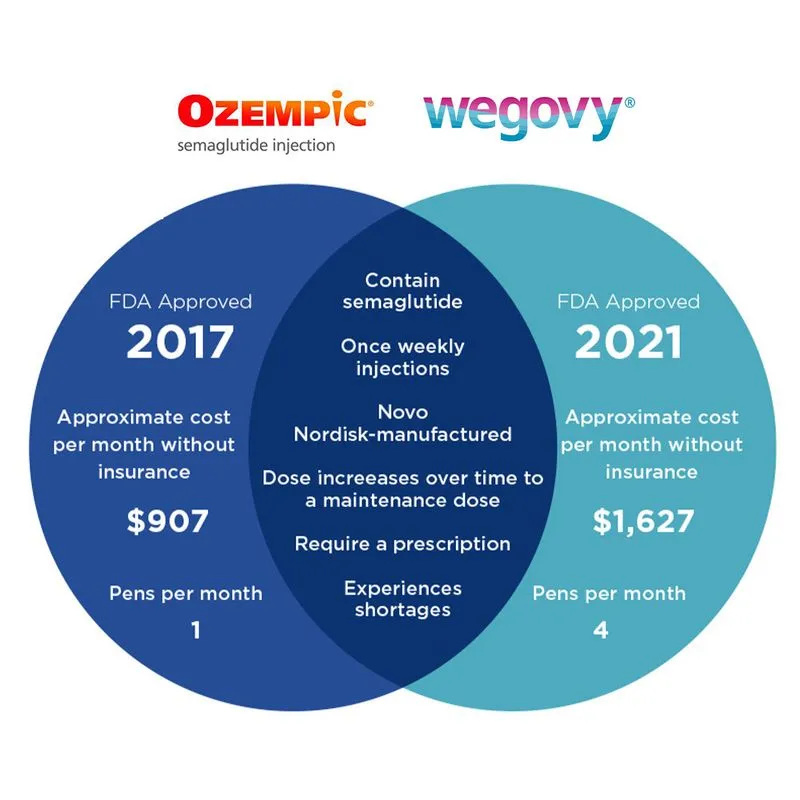
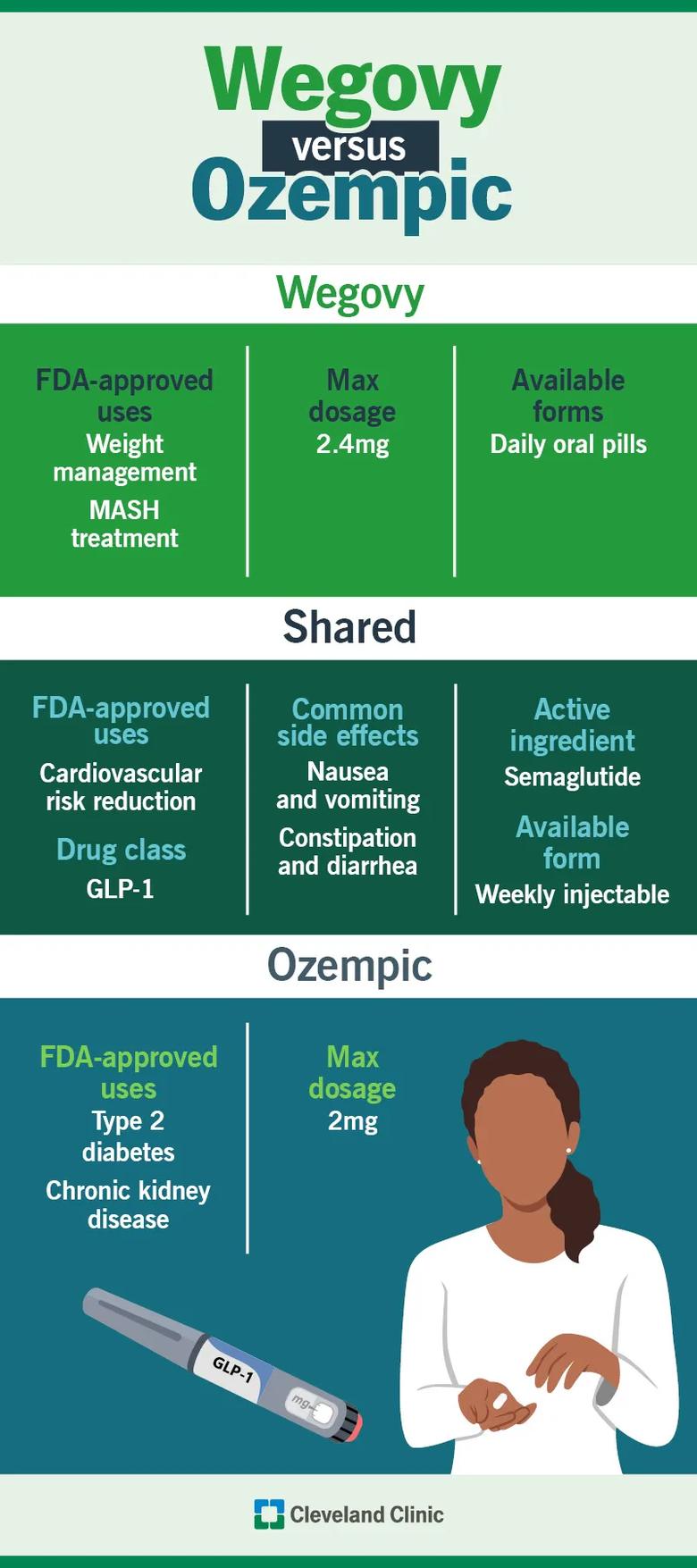
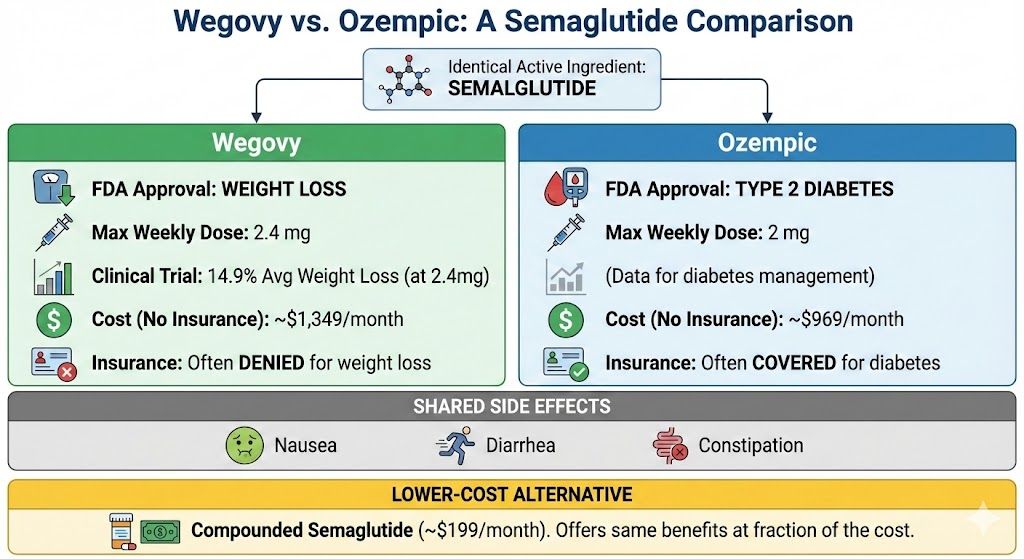
Quick Answer: GLP-1 medications do not directly cause muscle cramps through pharmacologic action, but some patients may experience cramping indirectly due to rapid weight loss, electrolyte disturbances, or dehydration associated with treatment
Several important safety considerations from UK SmPCs include: Pancreatitis risk : Seek immediate medical attention for severe, persistent abdominal pain Gallbladder disease : Including cholelithiasis and cholecystitis Diabetic retinopathy complications : Particularly with semaglutide in those with pre-existing retinopathy Dehydration and acute kidney injury : Possible with severe gastrointestinal side effects Hypoglycaemia : Increased risk when used with insulin or sulfonylureas (dose adjustment of these medications may be needed) Pregnancy/breastfeeding : Weight management GLP-1 agonists (Wegovy, Saxenda) are contraindicated in pregnancy and should be avoided during breastfeeding [5] [2] Regarding mental health specifically, regulatory agencies have scrutinised GLP-1 medications for potential psychiatric adverse effects

These dual agonists, such as tirzepatide (a GIP/GLP-1 dual agonist), are emerging as promising treatments for T2DM due to their superior effects on blood glucose control and weight loss compared to traditional single agonists
G., Jousilahti, P., Koskinen, S., Laaksonen, M
Patches don't fit anywhere in that picture but for someone genuinely struggling with appetite, food noise, and weight that won't shift, the combination of medication and proper support is what changes things