This test could be a more convenient alternative for those interested in the HbA1c Test and the Cholesterol and Lipids Test, as it looks at all the same biomarkers of both in one test

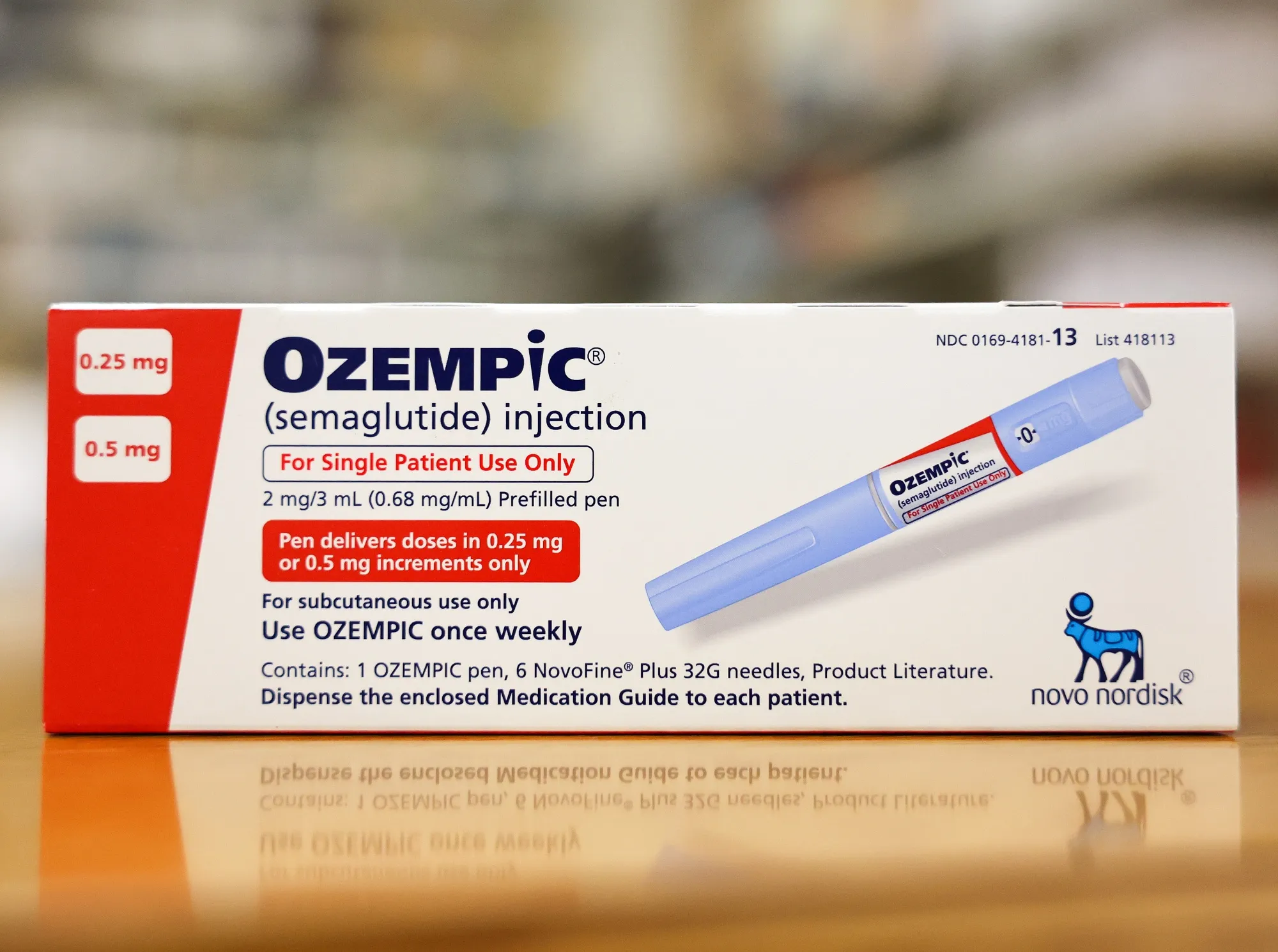
After 72 weeks: Participants taking 6 mg of orforglipron lost an average of 7.5% of their body weight (equivalent to 9 mg of Foundayo) Participants taking 12 mg or 37 mg of orforglipron lost an average of 8.4% and 11.2%, respectively (equivalent to 14.5 mg or 17.2 mg of Foundayo, respectively) Side effects and risks of GLP-1s The most common side effects from these medicines are mild gastrointestinal (GI) issues, such as: Vomiting Diarrhea Abdominal pain Rare but serious side effects of GLP-1s may include: Pancreatitis, or inflammation of the pancreas Gallbladder disease (including gallstones or gallbladder inflammation) Low blood sugar ( hypoglycemia ), particularly in people who also take insulin or certain pills for diabetes Severe allergic reactions Severe gastrointestinal reactions, which may lead to dehydration and related kidney problems Diabetic retinopathy complications in people with this eye disease Risk of pulmonary aspiration ( stomach contents entering the lungs) during surgery in people undergoing deep sedation or anesthesia GLP-1s also carry a boxed warning because they caused thyroid C-cell tumors in studies of rats
Optimization of a glucagon-like peptide 1 receptor antagonist antibody for treatment of hyperinsulinism
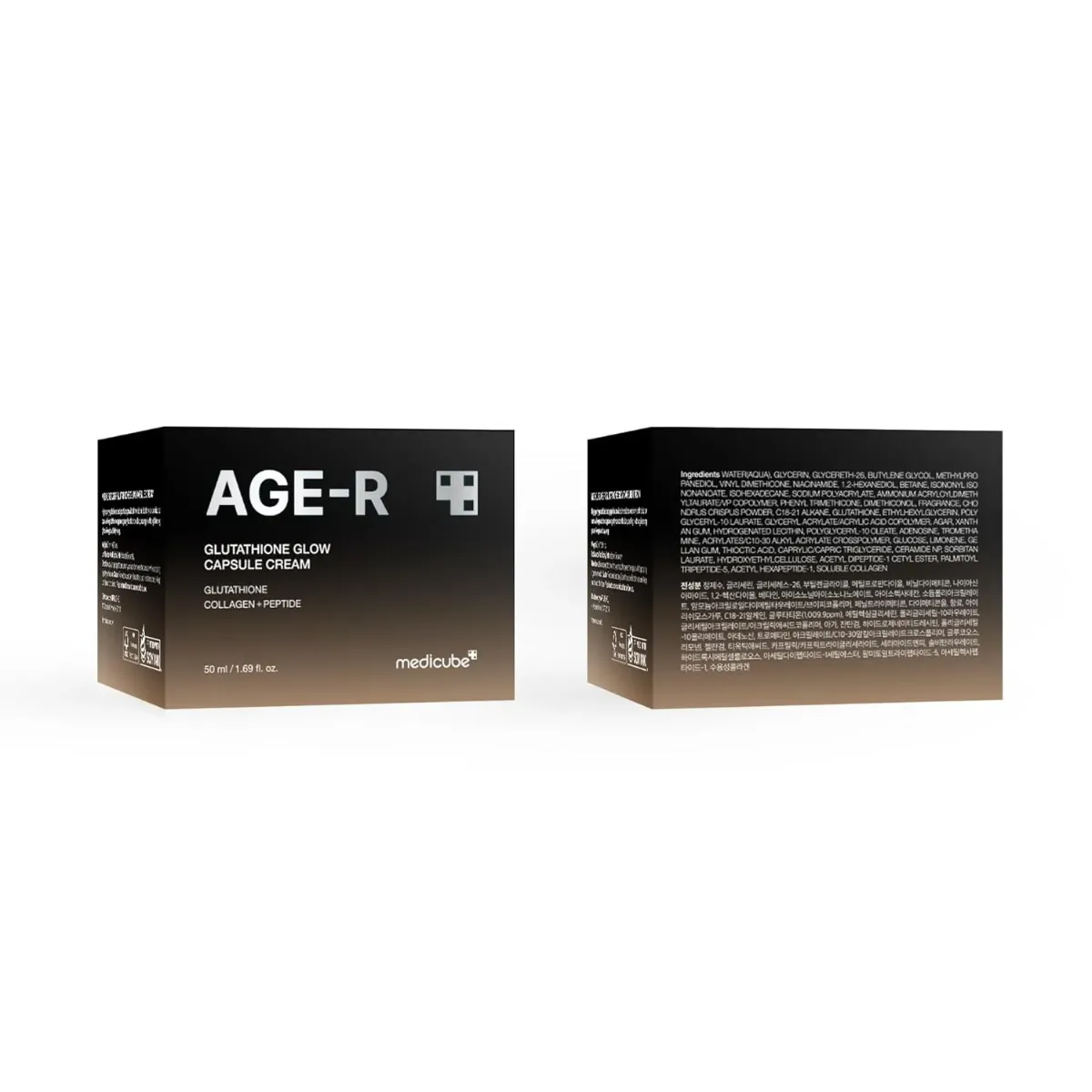
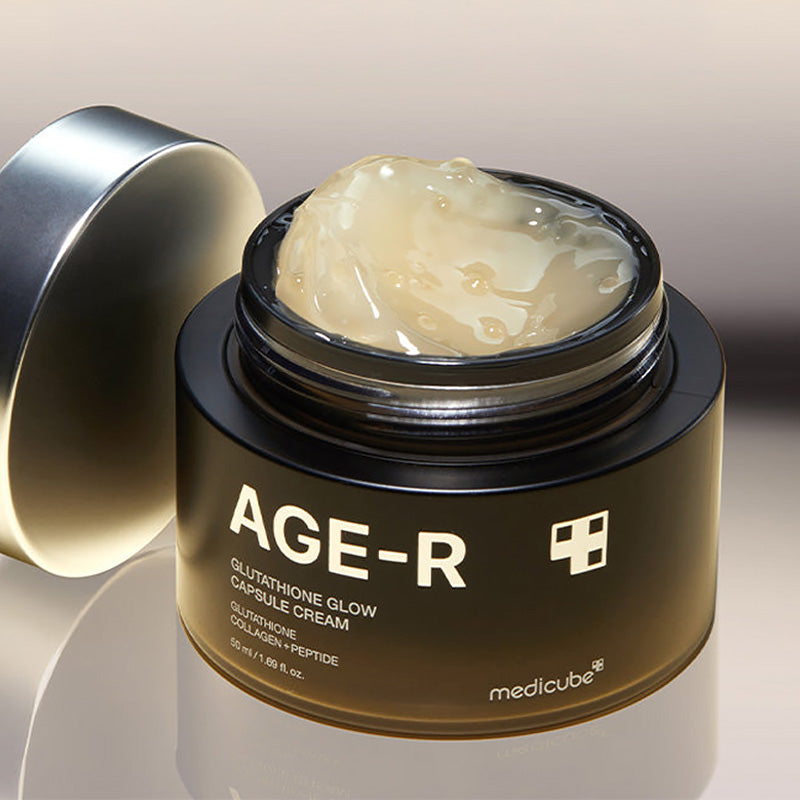
Acetyl Hexapeptide-1 is a bit of a special snowflake among peptides as it's not a wrinkle-smoothing, anti-aging active like most of the other ones but it can stimulate pigmentation and melanin production (by interacting with a skin cell receptor called MC1R)
[1] [2] Patients with severe gastrointestinal disease, including gastroparesis, should use semaglutide with caution


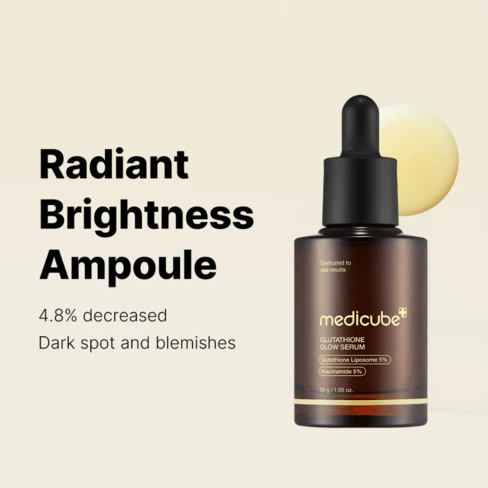
![[MEDICUBE] AGE-R Glutathione Glow Serum 50ml](https://medicube.us/cdn/shop/files/MicrosoftTeams-image_109_58de6ca2-9f3a-4e49-a3c0-45b676beedc9.jpg?v=1766467541&width=1445)

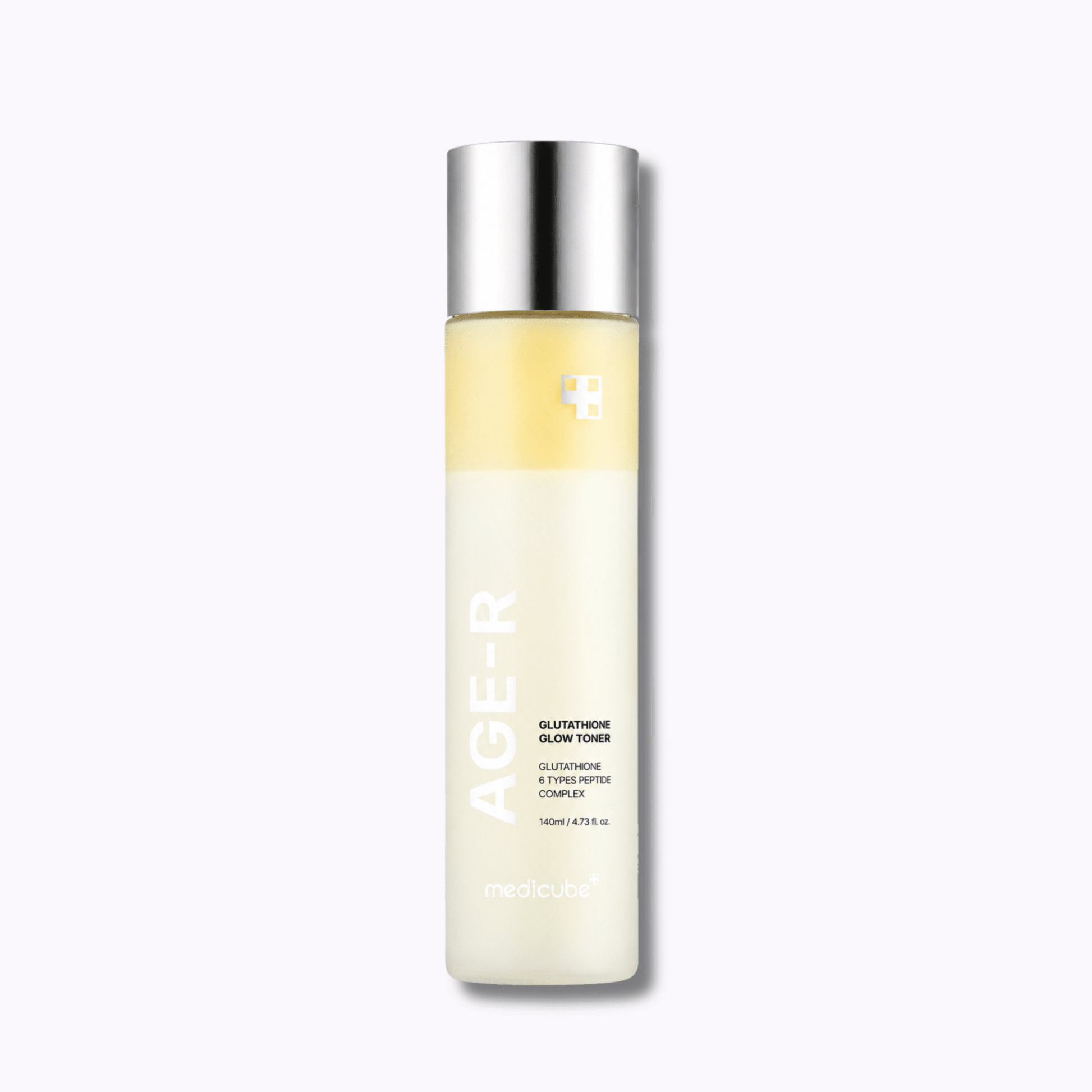
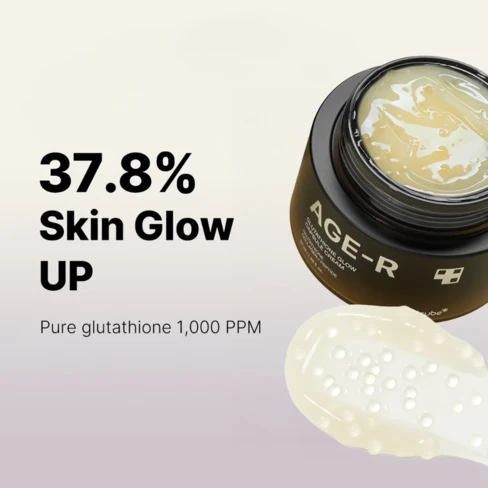
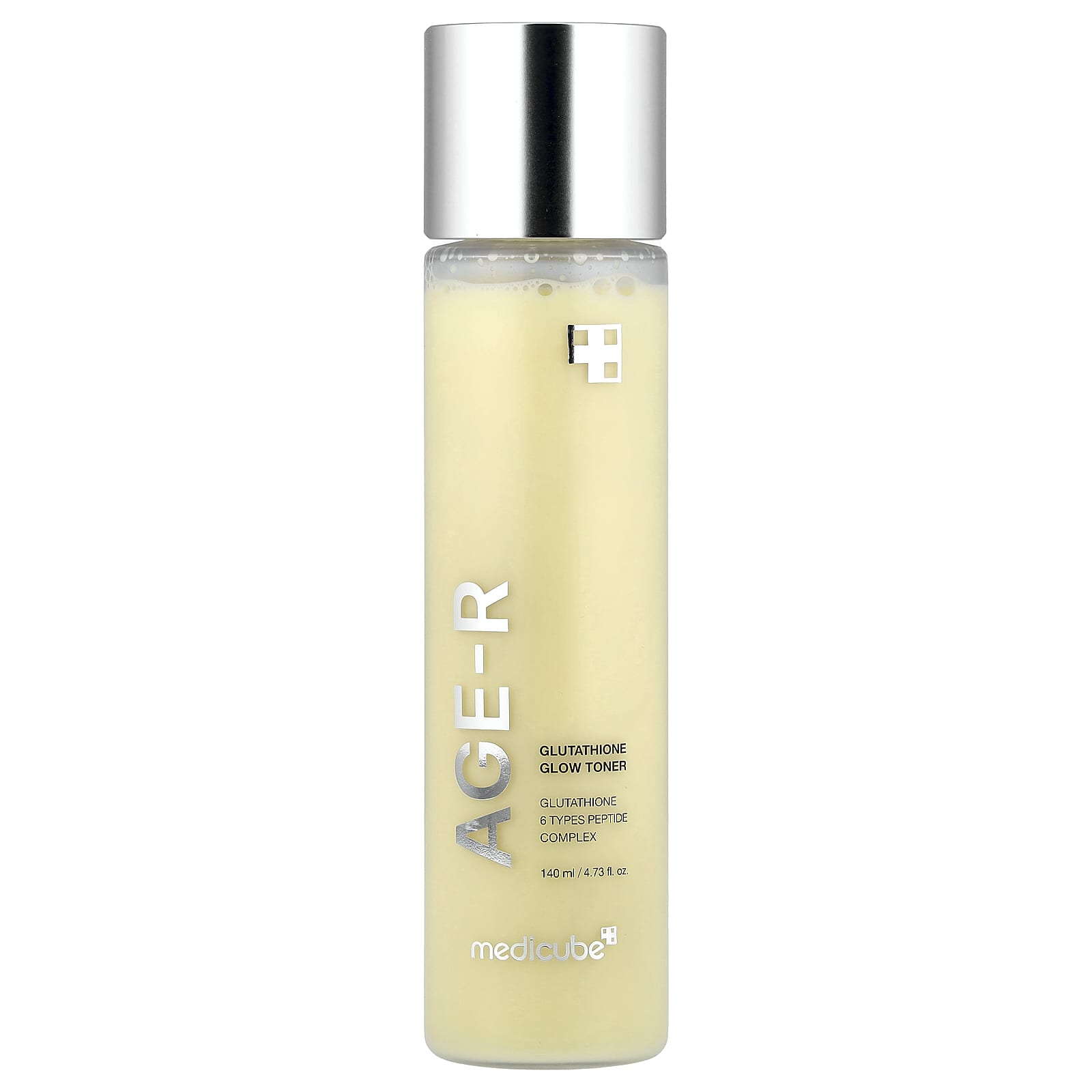
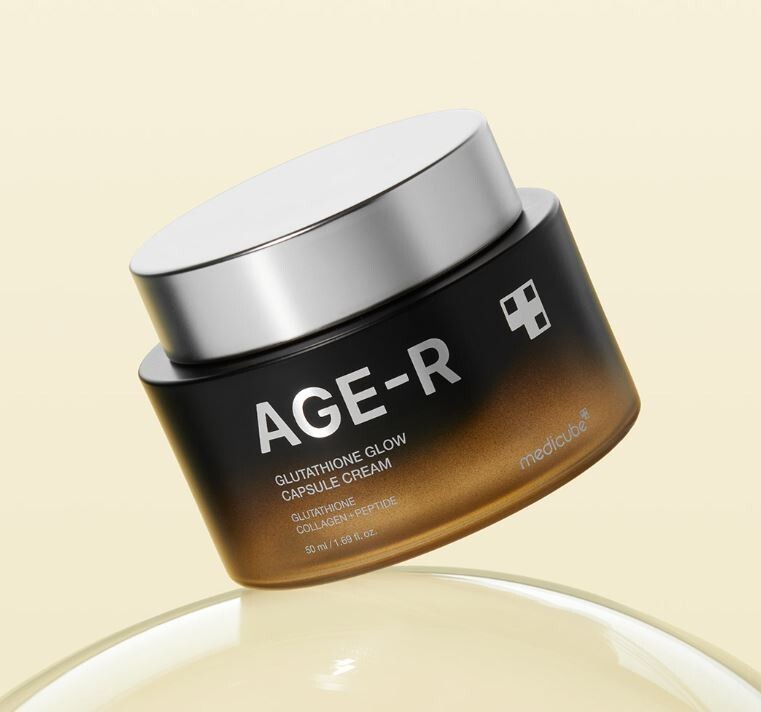
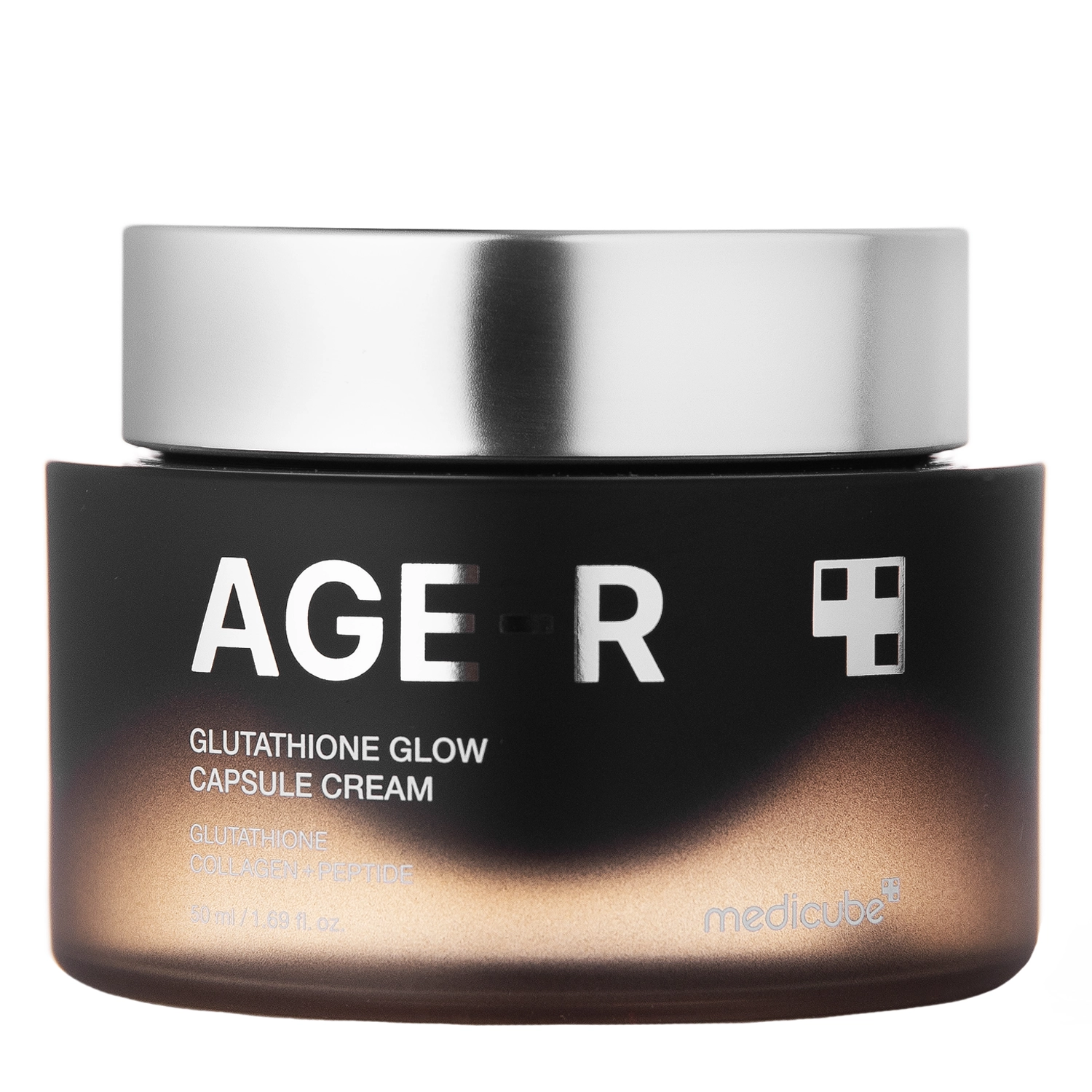


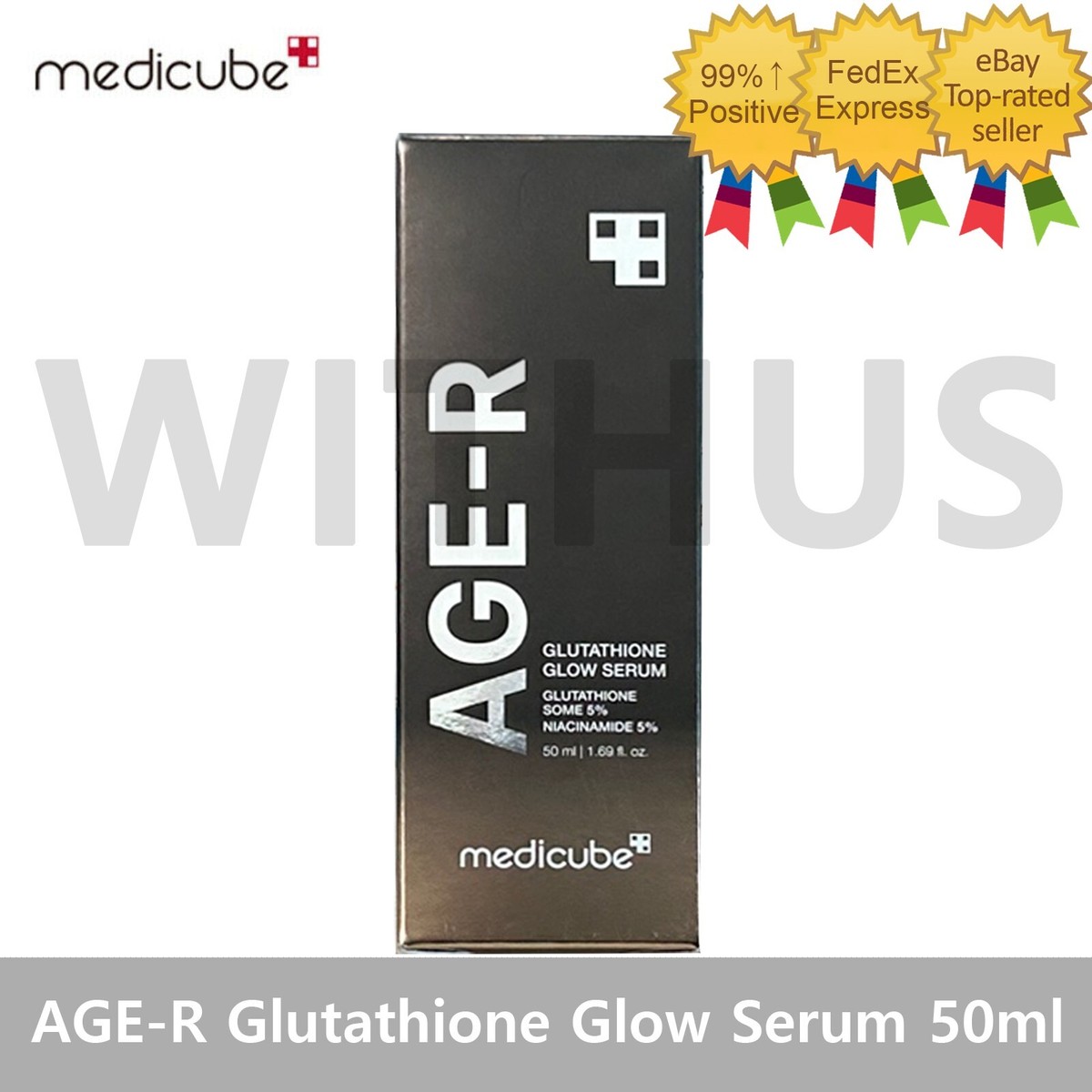
![[ MEDICUBE ] AGE-R Glutathione Glow Toner 140ml / 4.73 fl.oz](https://i.ebayimg.com/images/g/2sQAAeSwpFBpxqx3/s-l1200.jpg)