Whole tumor ablation of locally recurred hepatocellular carcinoma including retained iodized oil after transarterial chemoembolization improves progression-free survival
[4] [6] Who should not use Ascorbic Acid (Vitamin C) Injection

Peptides can help a wide range of patients, including those with: Crohns disease or ulcerative colitis Irritable bowel syndrome (IBS) SIBO or SIFO Leaky gut syndrome Mold illness or chronic Lyme disease Autoimmune conditions with GI involvement Long COVID with persistent GI symptoms NSAID-induced ulcers or gut permeability Sample Gut Healing Protocol (Integrative Approach) Phase 1: Reduce Inflammation and Microbial Overgrowth KPV (oral or suppository) LL-37 (subQ or intranasal) Herbal antimicrobials (berberine, oregano, neem) Mold detox (binders, nasal sprays if needed) Phase 2: Repair and Regenerate the Gut Lining BPC-157 (oral + subQ) TB-500 (subQ) GHK-Cu (topical or injectable) Collagen + L-glutamine Functional nutrition (AIP or anti-inflammatory diet) Phase 3: Rebalance and Rebuild Probiotics and prebiotics Fiber support (acacia, partially hydrolyzed guar gum) Short-chain fatty acid support (butyrate) Lifestyle: sleep, stress reduction, mindfulness Conclusion Gut healing isnt just about reducing symptomsits about restoring harmony between your immune system, microbiome, and intestinal lining

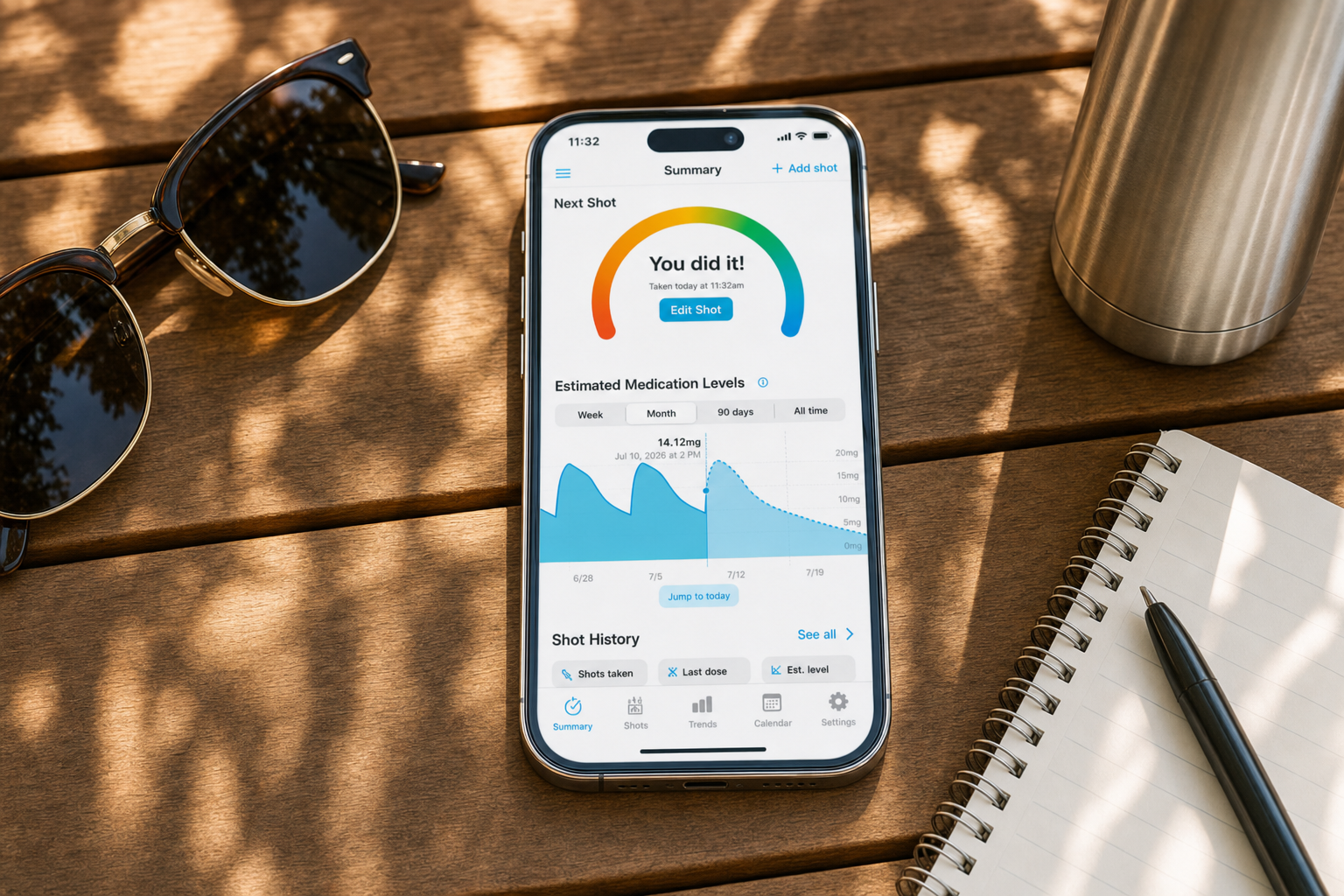
Is there a tool to help calculate reconstitution volumes
While that may seem straightforward, peptides encompass thousands of compounds with vastly different functions

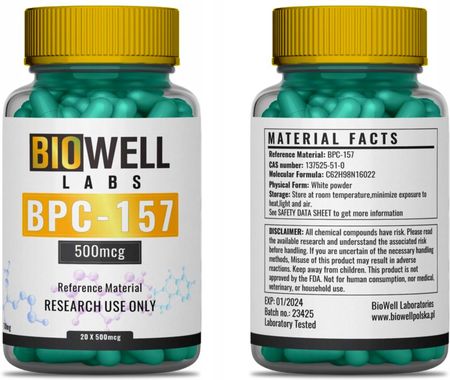














![Spazzole Tergicristallo Compatibile Per Peugeot Expert [G9] dal 02.2007-02.2016 anteriori](https://cdn.shopify.com/s/files/1/0849/1175/1433/files/SPAZZOLE-BIBA_5d1f6dc6-677e-453e-aa51-db79f6193072.jpg?v=1744760891)

