Daily targets: Sodium: 2,500-3,000mg with medical guidance Potassium: 4,700mg or more with medical monitoring Magnesium glycinate: 350mg supplemental (upper limit) Calcium citrate: 1,000-1,200mg supplemental (divided doses) Vitamin D: 2,000 IU daily Oral rehydration solution (ORS): As needed after each episode of fluid loss Implementation: Sip ORS continuously throughout the day Small frequent electrolyte doses rather than large single doses Bone broth as tolerated between meals Magnesium and calcium in divided doses to maximize absorption Daily symptom tracking including fluid intake, urine color, and episodes of vomiting or diarrhea Contact provider if unable to keep fluids down for more than 24 hours If you are on Protocol 3, talk to your healthcare provider about whether a dose adjustment is appropriate
Click here to register for the July 28 webinar, "Will the Rural Health Transformation Fund Deliver on its Promise?" featuring Dr
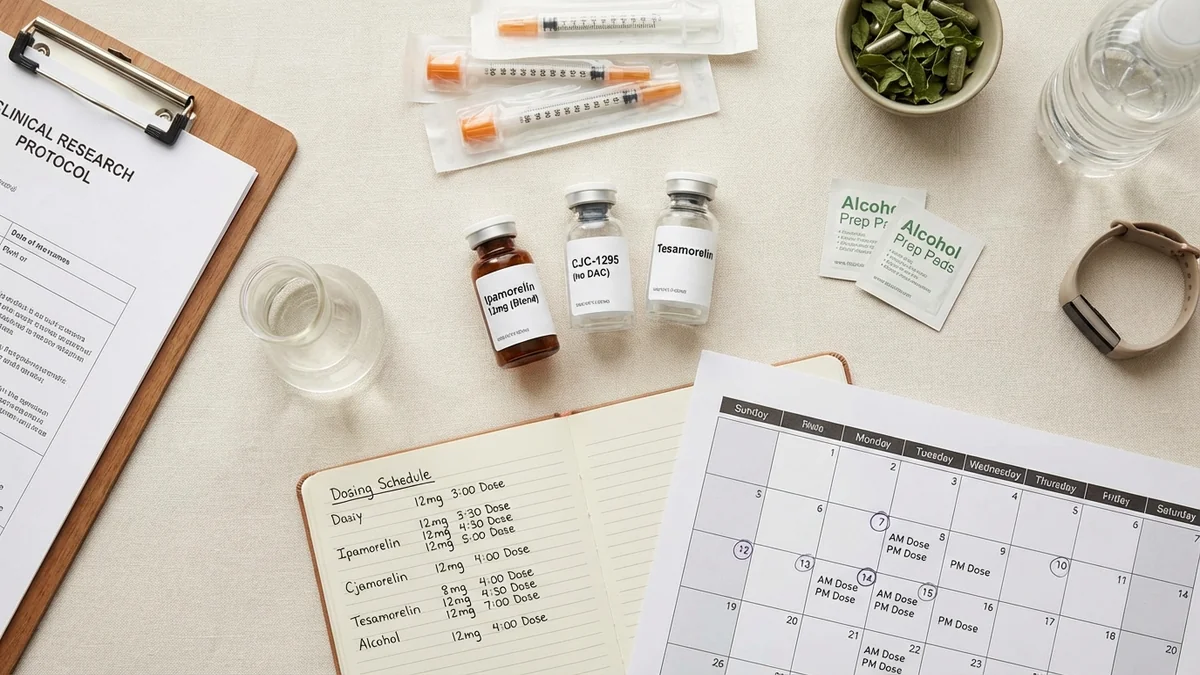
Whenever GH needs to be secreted (GH levels are typically highest during periods of fasting and sleep), the hypothalamus releases growth hormone-releasing hormone (GHRH)
Reduced Fat in the Liver: It helps clear excess fat from the liver, a major contributor to insulin resistance
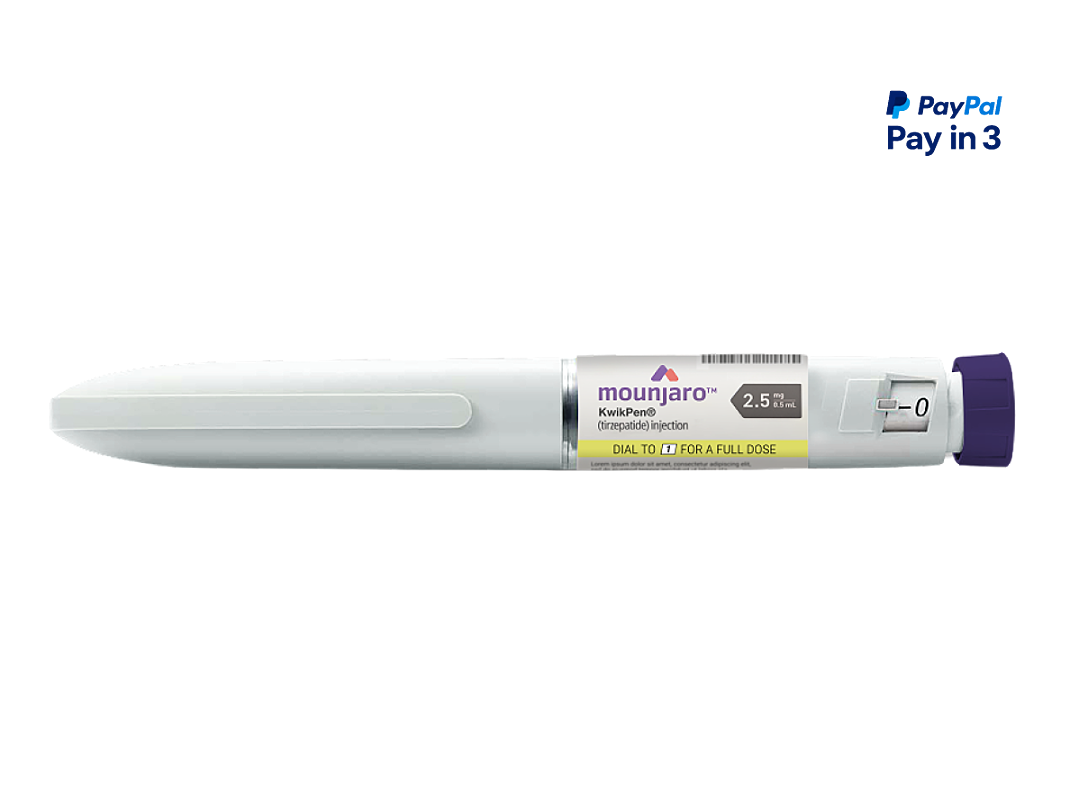
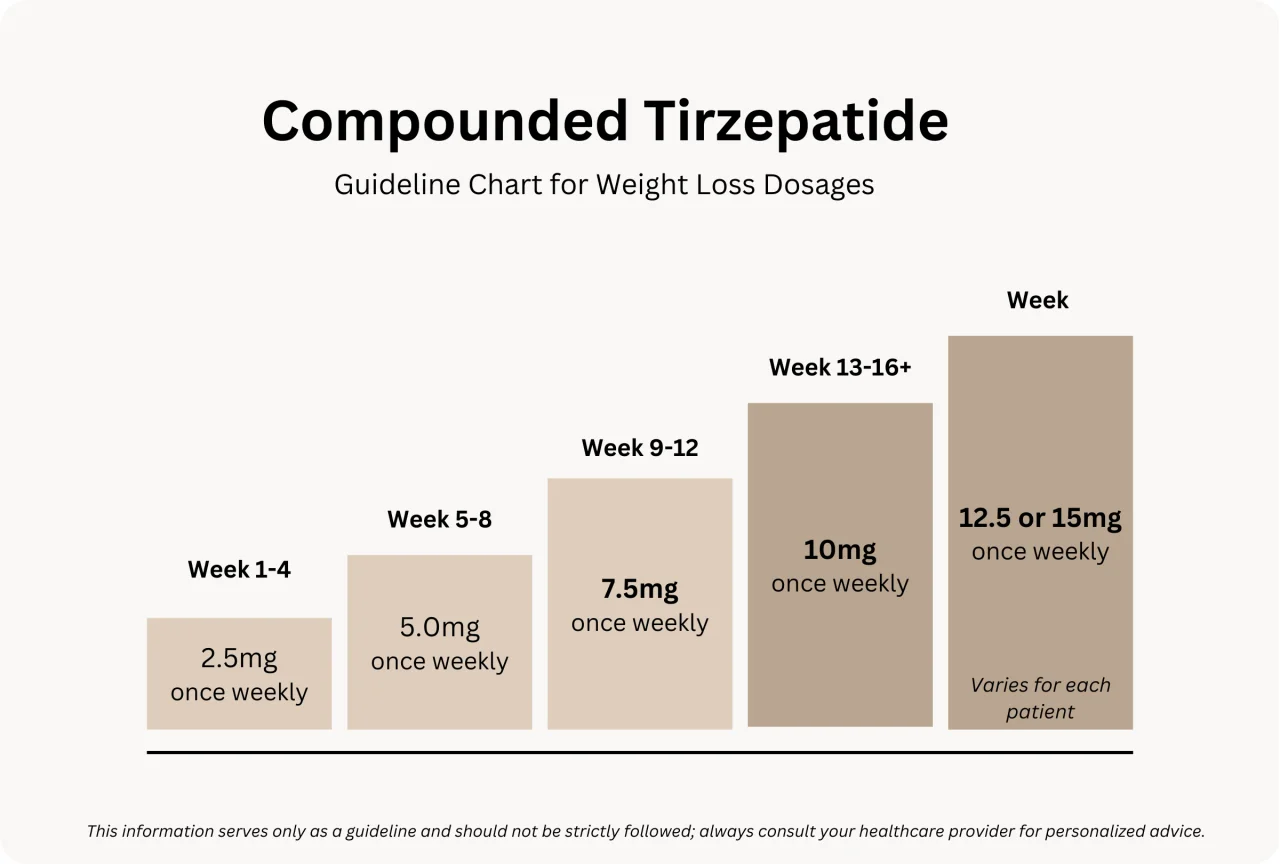
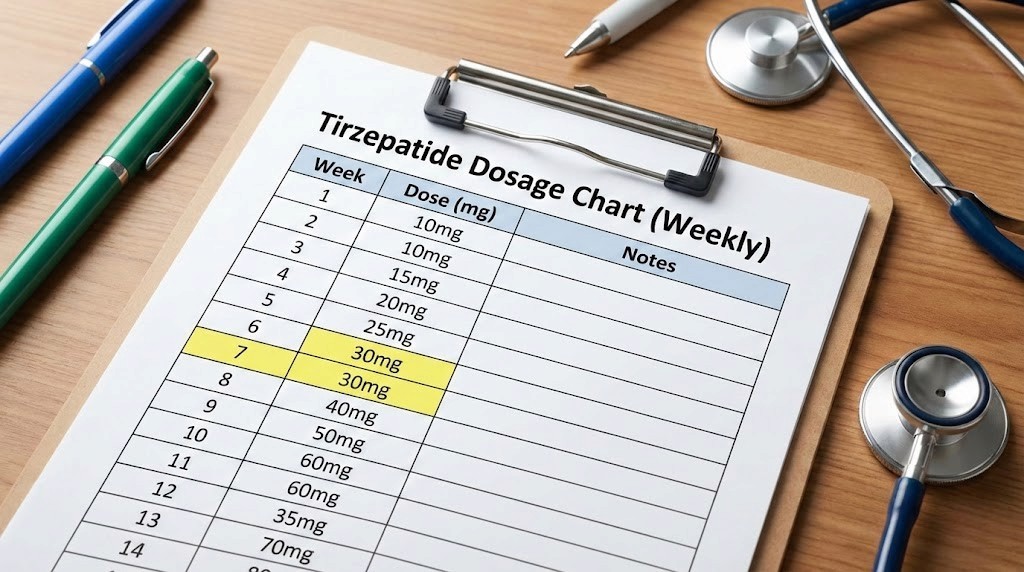
Compounded Tirzepatide is another option available through some specialized programs