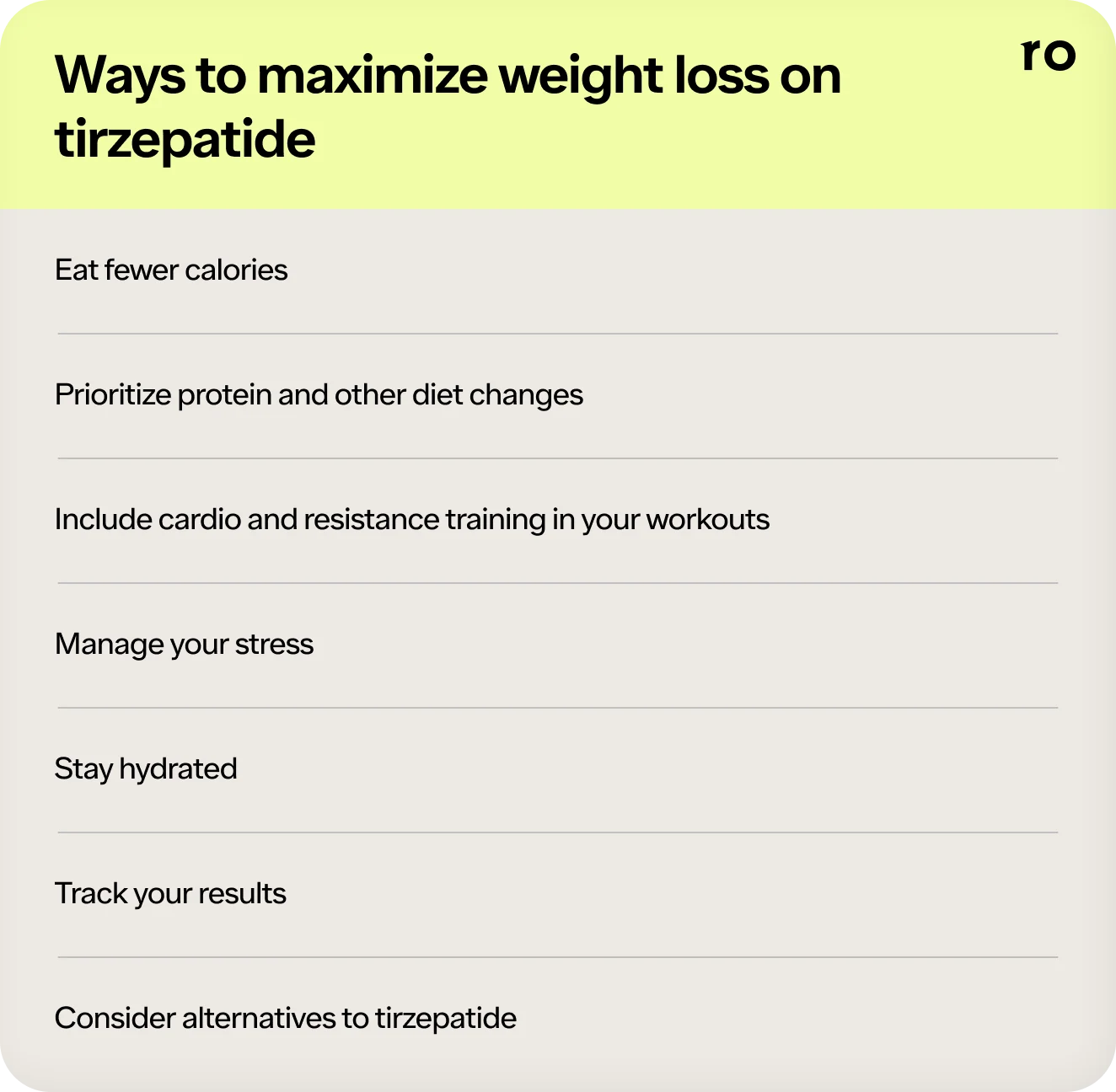
Non-pharmacological management strategies: Dietary modifications that may help manage GI symptoms include: Eat smaller, more frequent meals rather than large portions Avoid high-fat, greasy, or spicy foods that delay gastric emptying further Stay well-hydrated with small, frequent sips of water Avoid lying down immediately after eating (wait 23 hours) Identify and avoid personal trigger foods Eat slowly and chew thoroughly Lifestyle adjustments: Avoid strong odours that may trigger nausea Ensure adequate fresh air and ventilation Practice stress-reduction techniques, as anxiety can exacerbate nausea Maintain good sleep hygiene Alternative pharmacological options: If symptoms persist despite lifestyle measures, discuss these evidence-based alternatives with your prescriber: Antiemetics: Medications such as metoclopramide (short-term only), prochlorperazine, or cyclizine may be prescribed for persistent nausea

Your cardiovascular system would be receiving conflicting signals from two different drug classes, making it impossible for your healthcare provider to assess which medication is responsible for any adverse event
In the SUSTAIN program, reductions in HbA1c were evident within the first two to three months, often preceding maximal weight loss
(More information) Foods rich in pantothenic acid include animal organs (liver and kidney), fish, shellfish, milk products, eggs, avocados, legumes, mushrooms, and sweet potatoes
Lau T, Cook J, Archid R, Stengel A, Zipfel S, Mack I