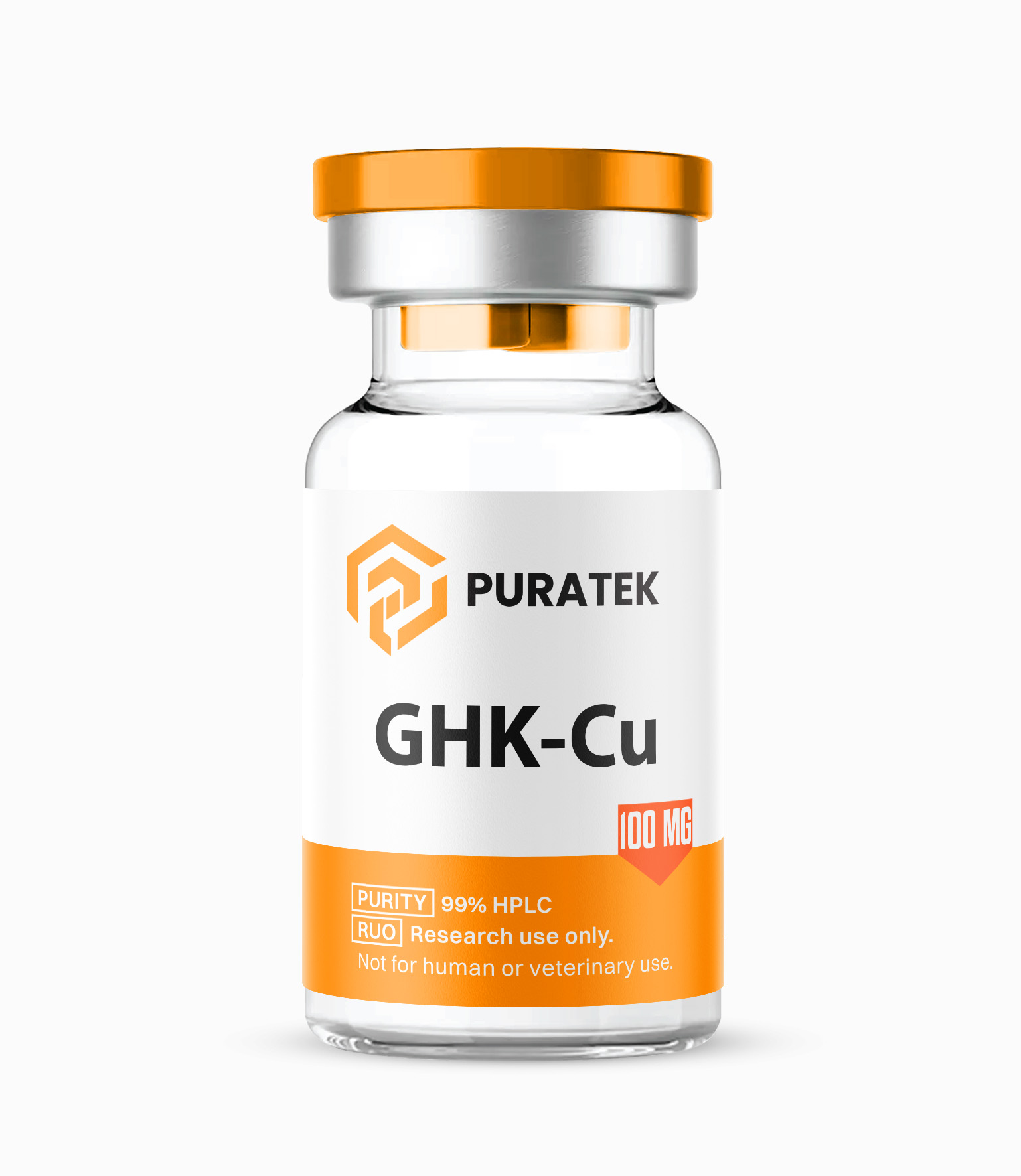
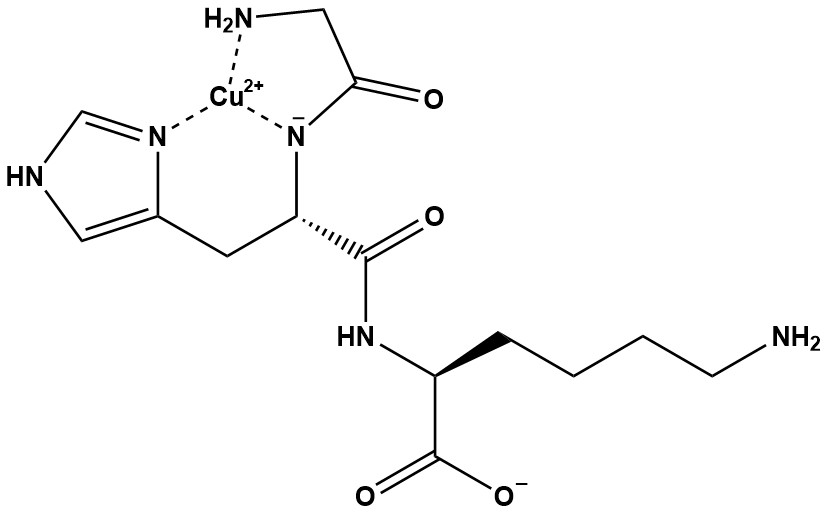
Date ENHANCED EXTENDS PEPTIDE PLATFORM WITH TOPICAL GHK-CU, FORMULATED UNDER MEDICAL COMMISSION OVERSIGHT -- Prescription Topical Peptide Delivers a Consistent, Clinician-Prescribed Dose of GHK-Cu in Each Application -- -- Available Now on the Live Enhanced Platform -- New York April 28, 2026 Enhanced today announced an exciting new addition to its peptide catalog with the launch of a prescription-dosed topical GHK-Cu cream
BPC 157 (Body Protection Compound-157) is a pentadecapeptide made up of 15 amino acids. The amino acids sequence in BPC 157 is similar to a portion of the human BPC amino acid sequence. Human BPC is found in the gastric juice. Experiments have shown that BPC 157 enhances the healing of wounds, including tendons wounds such as transected Achilles tendons of rats. The aim of this study was to investigate the probable mechanism that BPC 157 utilizes to accelerate the healing process in an injured tendon. The study used two group of tendon explants of which one group was cultured in a BPC 157-containing medium while the other group was cultured in a medium lacking BPC 157. These cultures were thereafter examined for tendon fibroblasts outgrowths. Such outgrowths indicated tendon regeneration.The results revealed that the explants outgrowth was significantly accelerated in the culture containing BPC 157 as compared to the culture lacking BPC 157. Also, a MTT assay did show that BPC 157 does not directly affect cellular proliferation in a culture of rat-derived Achilles tendon. However, results also showed that BPC 157 significantly increased the survival of cells under oxidative stress. Furthermore, the Transwell filter migration assay showed that BPC 157 significantly increased in-vitro fibroblast migration in a dose-dependent fashion. Moreover, BPC 157 accelerated the dispersal of the fibroblasts in culture dishes in a dose-dependent manner
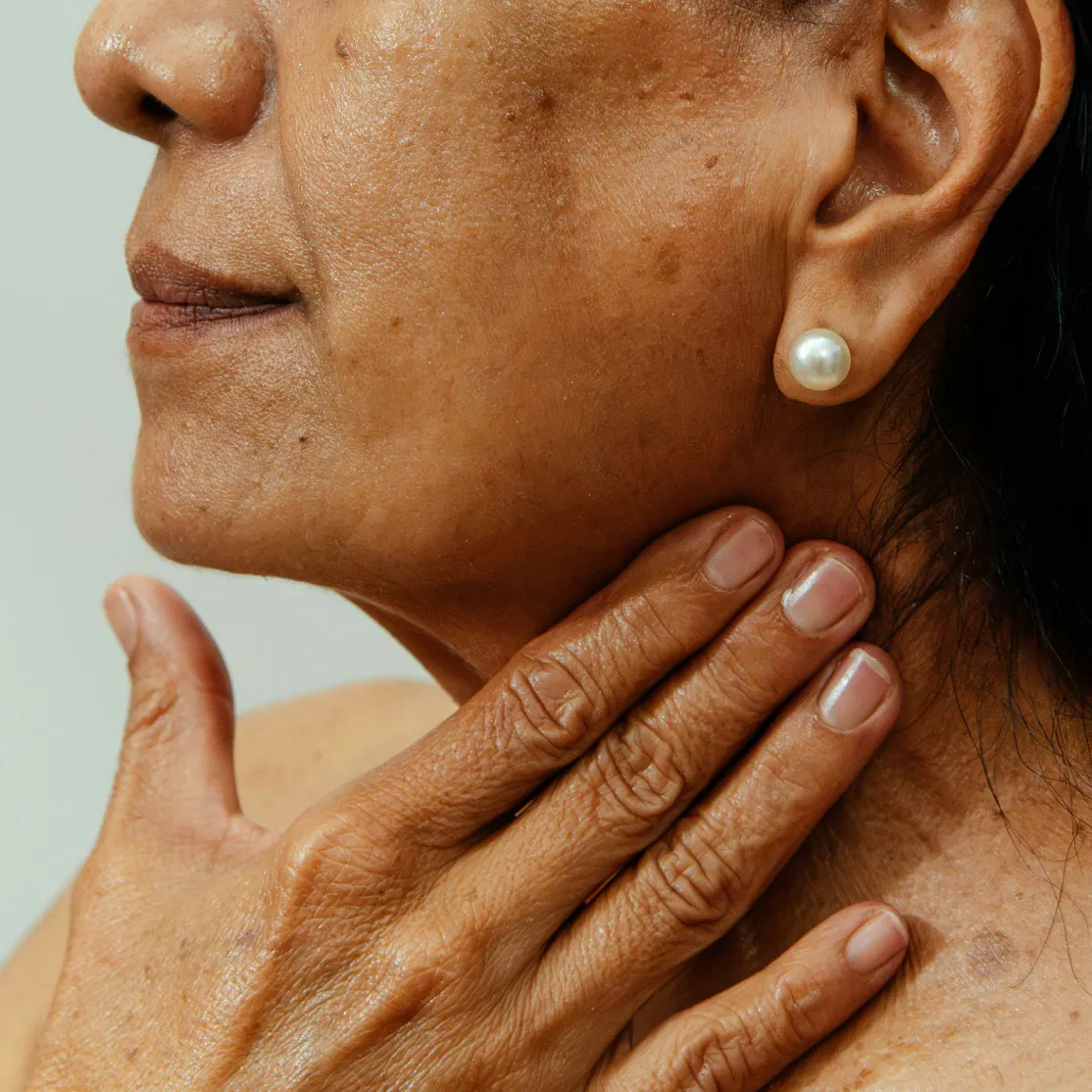
Vi c tnh chng oxy ha mnh, gip trung ha cc gc t do, ngn nga hnh thnh sc t trn da, cho ln da ti tn, tr trung
Glutathione alterations in depression: a meta-analysis and systematic review of proton magnetic resonance spectroscopy studies
The profile of 17-estradiol displays maximal levels around the mid-to-late 20s in women [10] (Fig