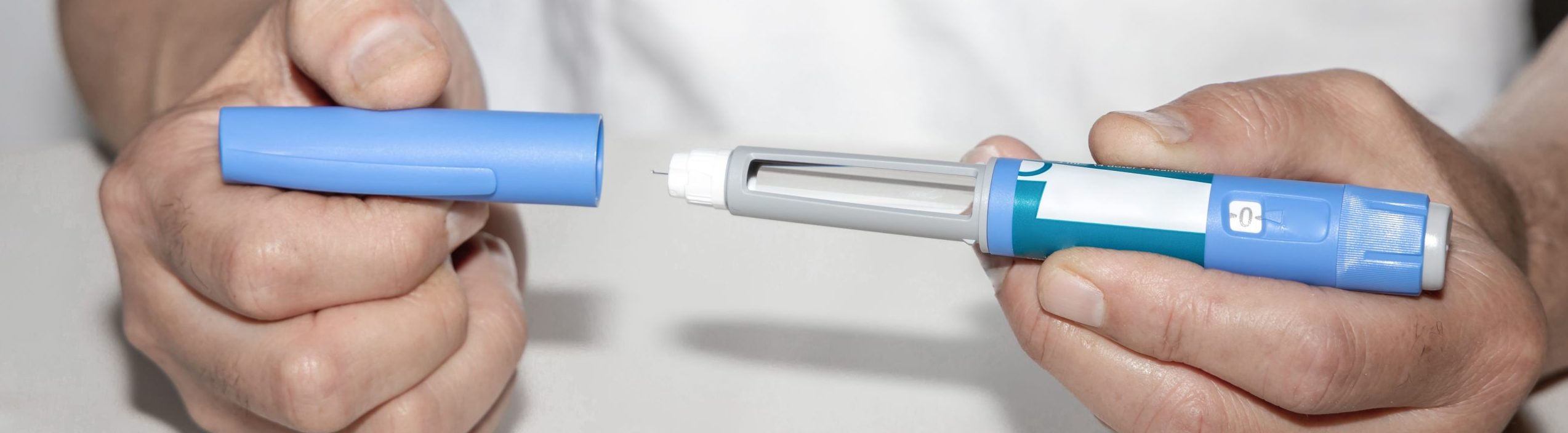
A same-day or prompt call is appropriate for: Pain that is moderate, severe, or increasing rather than improving A headache that is severe, unusual for you, persistent, or not responding to the plan you were given Spreading redness, warmth, swelling, pus, fever, or chills Marked one-sided swelling or a rapidly expanding bruise New drooping, asymmetry, smile change, chewing difficulty, or neck weakness Persistent numbness, burning, electric-shock pain, or unusual sensory changes Eye irritation, inability to close the eye, light sensitivity, or visual symptoms Pain that continues beyond the recovery window described by your clinician Concern about the product source, dose, injector, or treatment setting Information to Give the Clinician Date and time of treatment Product name, if known Areas treated and why When the pain started Pain severity from 0 to 10 Whether it is improving or worsening Associated redness, fever, weakness, drooping, vision change, or swallowing/breathing symptoms Medicines taken since treatment Clear photographs when visible changes are present When Pain Requires Urgent or Emergency Care The current FDA prescribing information carries a boxed warning about distant spread of botulinum toxin effects
Supplementary material The Supplementary material for this article can be found online at: References 1.Stovner L, Hagen K, Jensen R, Katsarava Z, Lipton R, Scher A, et al
Alginate hydrogel microbeads incorporated with Ag nanoparticles obtained by electrochemical method
Men Studies suggest that glutathione behaves differently based on hormones like estrogen, which has antioxidant properties that support naturally higher glutathione levels
( 6 ) Here are some ways that TRT can directly impact joint pain recovery: Reducing inflammatory markers : By addressing the underlying hormonal imbalance, TRT helps reduce systemic inflammation, which may contribute to joint pain