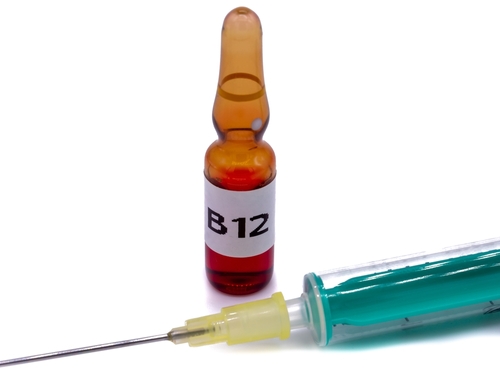
According to recommendations from nutrition institutes and the World Health Organization (WHO), the daily Recommended Dietary Allowance (RDA) is as follows: Infants 06 months: 0.4 mcg Infants 712 months: 0.5 mcg Children 13 years: 0.9 mcg Children 48 years: 1.2 mcg Children 913 years: 1.8 mcg Teenagers 14+ years and adults: 2.4 mcg Pregnant women: 2.6 mcg Breastfeeding women: 2.8 mcg Receiving adequate daily Vitamin B12 helps reduce the risk of anemia, fatigue, and neurological problems, while supporting optimal metabolic and overall bodily function
Touted for its purported ability to influence metabolic pathways related to fat metabolism, this peptide has made ripples in the health and wellness sectors
Route Topical / transdermal Published Dose Context Marketed by some clinics and compounders, but no published human exposure data was identified in FDA's December 2024 evaluation

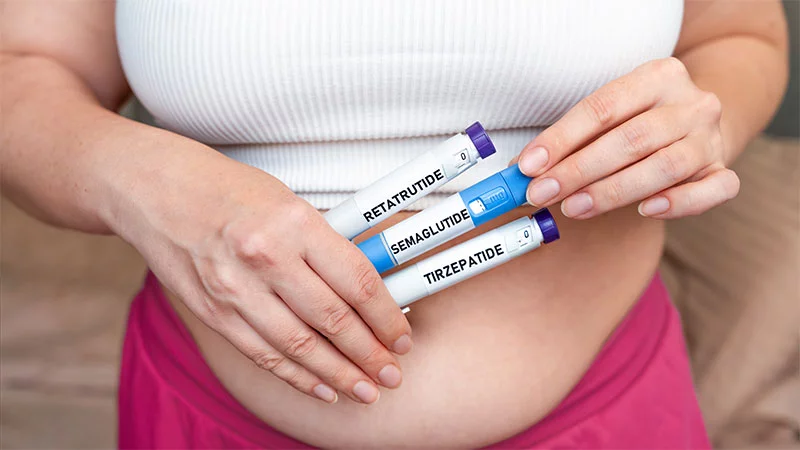
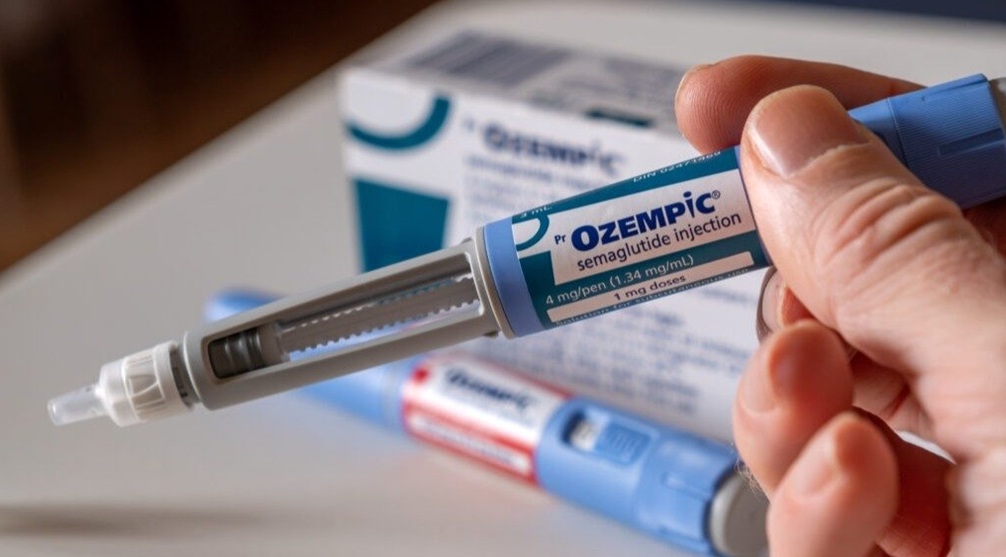
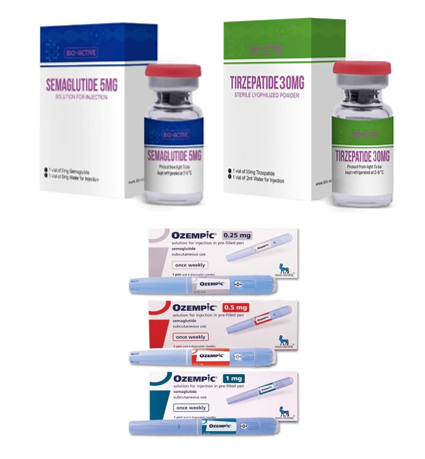
(PubMed) That doesnt automatically translate to healthier, and it certainly doesnt translate to safe to combine with other secretagogues indefinitely. A clinician-friendly framework to evaluate any peptide stack you see online If you want the full decision logic, use Metos pillar: Heres the condensed version Id use in a consult: Step 1: Define the outcome in one sentence Not fat loss. Instead: Reduce visceral adiposity and improve triglycerides in 12 weeks, or Improve return-to-running tolerance after a tendon injury. Step 2: Grade evidence, not enthusiasm Use three buckets: A: Human outcomes evidence (best) B: Human biomarker evidence (useful but indirect) C: Preclinical/mechanistic only (hypothesis) Example: Semaglutide for weight loss: A CJC-1295 for raising IGF-1: B BPC-157/TB-500 for tendon healing: often C low B , depending on claim Step 3: Avoid redundancy If two compounds push the same pathway, youre more likely to get side effects than synergy

They are used as supportive therapy following clinical assessment